The journalEntertaining
How much wine to buy for a party (the honest math)
Written by Ashburn Wine Shop | Bar & BistroJuly 15, 2026 · 2 minute read
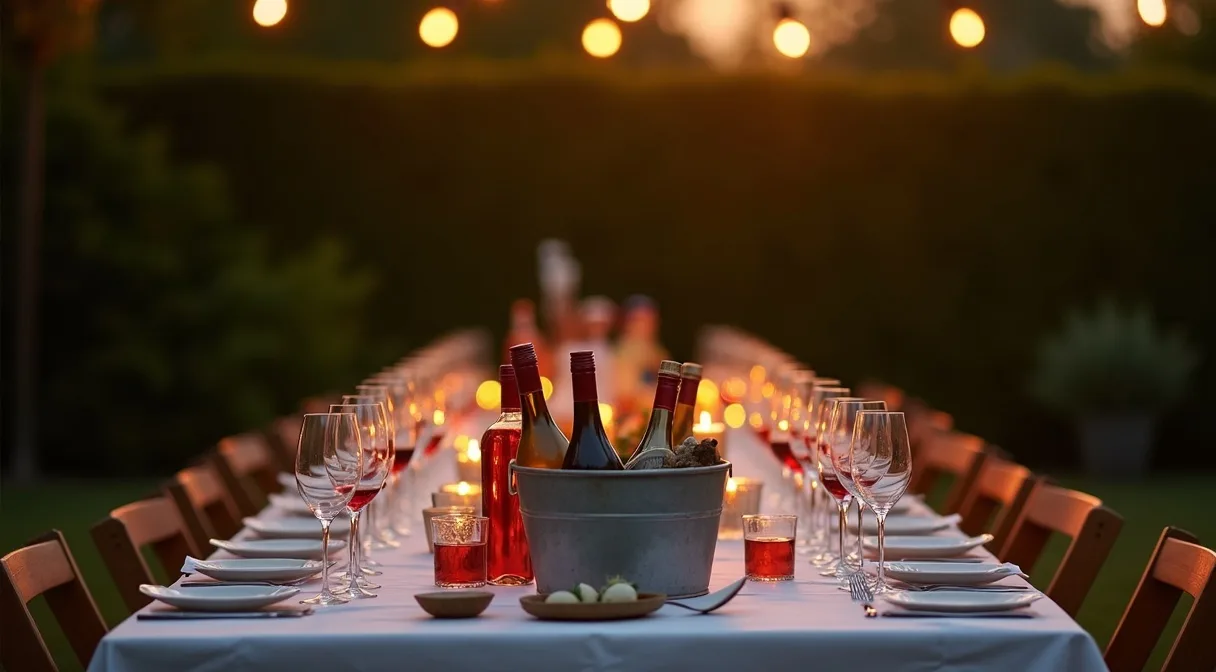
Every week somebody stands at our counter doing this math out loud. A graduation party in Brambleton. A backyard cookout for the cul-de-sac. Book club, which is allegedly about the book. The question is always the same: how many bottles?
Here is the formula we give them. It's the same one we use when we plan our own wine dinners, so we have skin in this game.
The formula
A 750ml bottle pours five glasses. A wine-drinking guest averages two glasses in the first two hours and one glass each hour after that. So a three-hour party works out to three glasses a head, which is three-fifths of a bottle per person. Twenty guests, three hours: twelve bottles. A case, conveniently.
Now the caveats. Not everyone drinks wine, so subtract the beer people and the designated drivers. A ninety-degree Loudoun afternoon slows red consumption and doubles everything cold. And when in doubt, round up. Running out is a story your guests tell for years. Leftovers are just Tuesday, because unopened bottles keep indefinitely.
The mix matters more than the total
Our summer rule of thumb: sixty percent white and rosé, forty percent red. Flip it in November.
Open with bubbles. Handing someone a cold, fizzy glass at the door resets the whole room, and it costs you one bottle per eight guests to do it. After that, one crowd-pleasing red beats three interesting ones. A party is not the moment to explain a wine. It's the moment for the wine to explain itself.
Bottles that vanish first
The door pour: Poggio Costa's Prosecco Rosé. Brut and genuinely dry, all raspberry and pink grapefruit with fine, persistent bubbles, and at twenty-two dollars you can be generous with it.
The case-buy white: Villa Maria Sauvignon Blanc. Marlborough's most decorated name, lemongrass and passion fruit, twenty dollars. It handles fish tacos, goat cheese and small talk with equal skill.
The cookout red: Taken, from Napa. Forty-three percent Cabernet plus Zinfandel, Merlot, Malbec and a splash of Pinot Noir, built deliberately plush. James Suckling gave it 91 points. Our tasting notes just say pour it at a cookout and watch it disappear first. Both are correct.
If it's a dinner party, the math changes
Seated dinners run closer to a half bottle per person across the meal, weighted toward whatever you pour with the main course. That's where a red with some polish earns its keep. Oak Farm's Lodi Cabernet is our steady answer: sustainably farmed sandy-loam fruit, black cherry and dried bay leaf, silky where budget Cab is usually rough. Thirty-two dollars and nobody at the table will guess low.
Or skip the spreadsheet entirely. Bring us your guest count and your menu and we'll build the order at the counter, then you can watch the pros portion pours at one of our wine dinners for research purposes. Trivia night also counts as research. We won't check.