The journalWine 101
How to read a wine label without faking it
Written by Ashburn Wine Shop | Bar & BistroSeptember 28, 2026 · 3 minute read
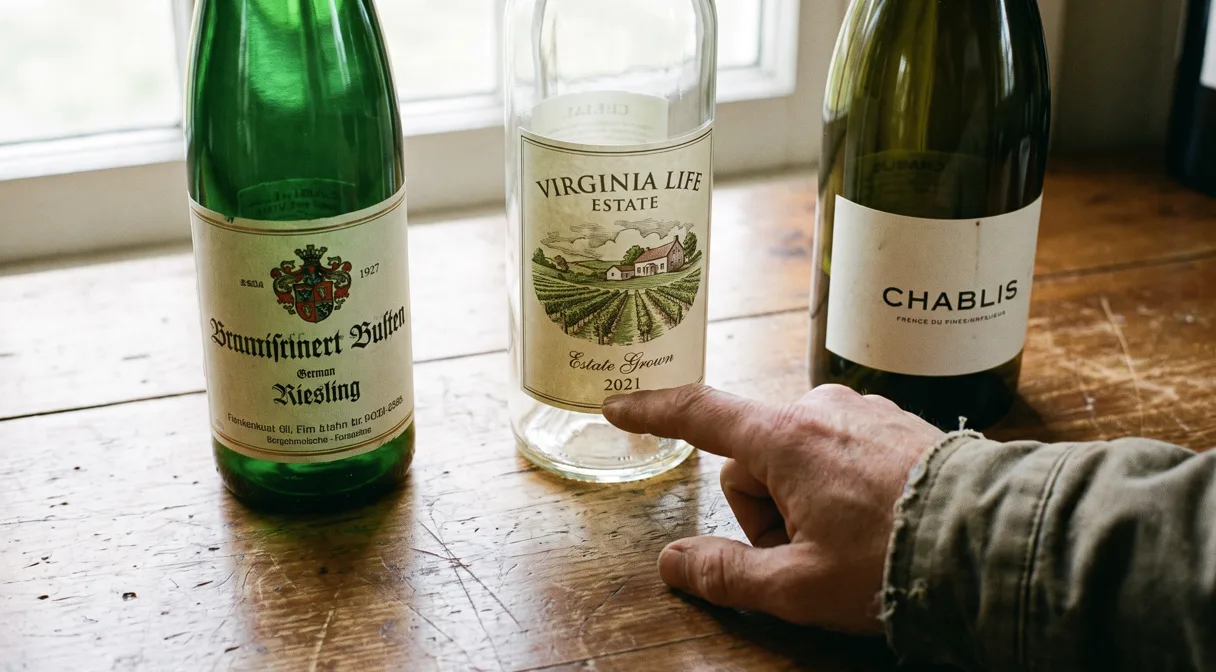
Most people stand in front of a wine label and read maybe two words off it: the grape, if it's listed, and the price. Everything else is treated as decoration. Some of it is. Some of it tells you more about what's in the bottle than the grape name ever could. Here's how to tell the difference, using three bottles we actually carry.
When the label skips the grape entirely, that's not an accident
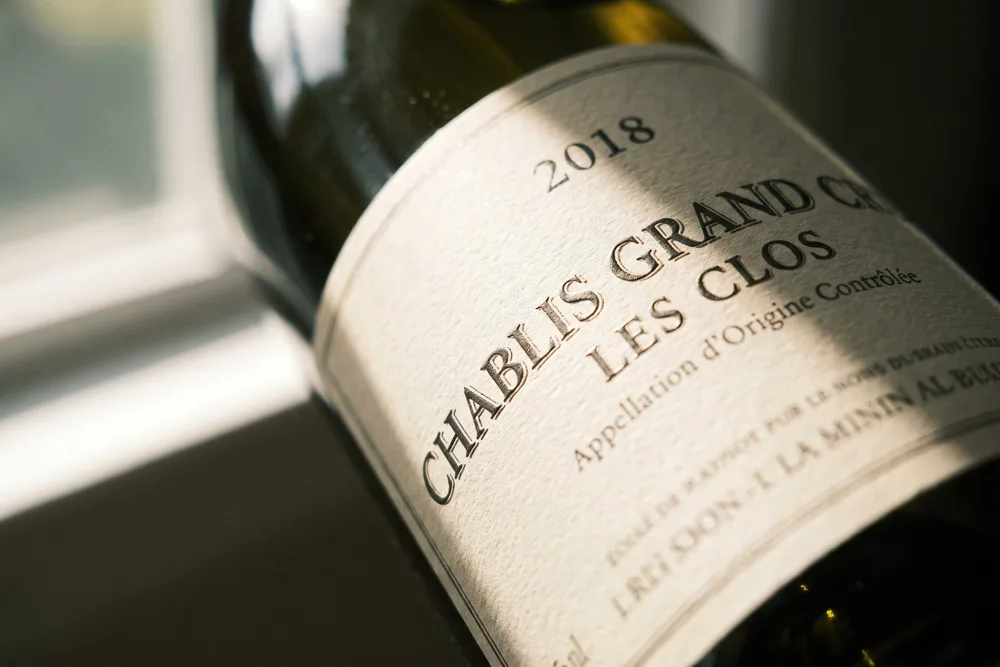
Our Chablis Grand Cru, from the producer Simonnet-Febvre, says nothing about Chardonnay anywhere on the front label. That's standard for most of France's classic wine regions, and it's the single biggest thing to understand about Old World labels: they name the place instead of the grape, because the region's rules already dictate which grape you're getting.
Chablis can only legally be Chardonnay. Les Clos, the vineyard named on this label, is one specific Grand Cru slope within Chablis, the most prestigious classification the region hands out. So a label that looks sparse compared to a New World bottle is actually making a more specific claim: not just "this is Chardonnay," but "this is Chardonnay from this exact hillside, farmed under rules strict enough that we don't need to spell out the grape."
When the grape IS the headline, read the region underneath
Flip to our Carl Graff Riesling and the logic reverses. German labels put the grape front and center because German wine law is organized around ripeness levels and vineyard sites in a way that rewards knowing where the fruit came from, not just that it's Riesling. This bottle comes off the Mosel, specifically slate slopes along the river that give German Riesling its signature mix of racy acidity and a faint stony note.
"Mosel" on a German Riesling label is doing the same job "Les Clos" does on the Chablis: telling you about soil and site, just with the grape spelled out instead of implied.
"Reserve" means whatever the winery wants it to mean
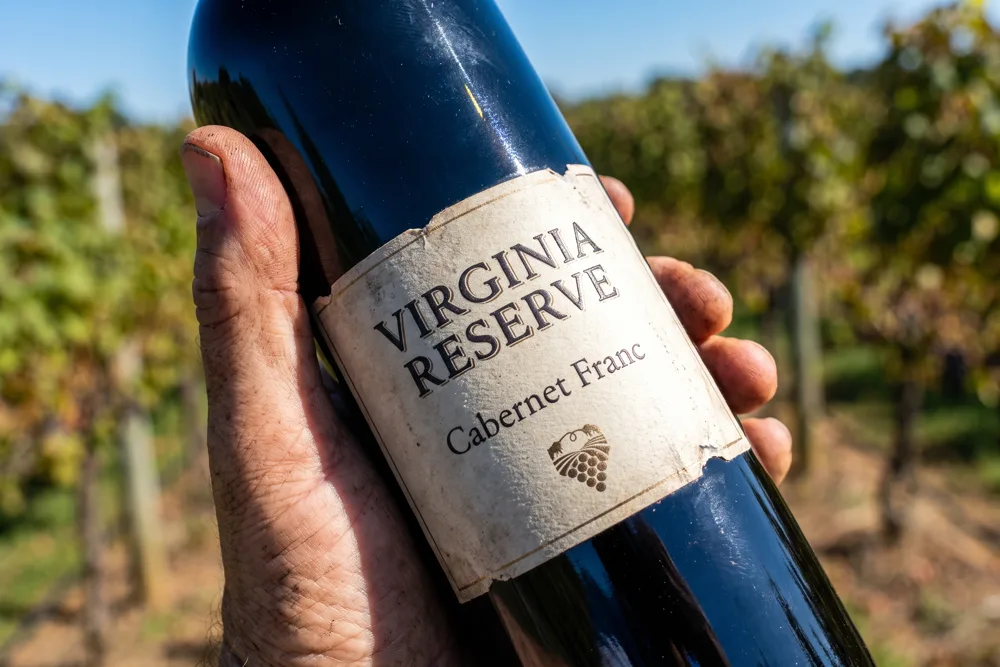
Here's the one real trap. Our Willowcroft Riesling, like a lot of American wine, can use terms like "Reserve" with essentially no legal definition behind them in most of the U.S. Unlike "Grand Cru" in Chablis, which is a tightly regulated classification tied to a specific, mapped vineyard, "Reserve" in Virginia or California can mean anything from a genuinely special barrel selection to a marketing word slapped on a label to justify five extra dollars.
That doesn't make American wine less trustworthy. It means the term alone can't do the work. You have to actually know the producer, which is exactly why we taste every bottle before it earns shelf space instead of buying off a label's promises.
The three things actually worth reading
Vintage year tells you how the growing season went and how long the wine's had to develop, which matters more for some wines than others. Place, whether it's a country, a region, or a single vineyard, tells you about soil and climate, and gets more specific and more meaningful the higher up the quality ladder a wine sits. Producer name is the one constant worth tracking across every label style, because a good producer's name means more over time than any single vintage or classification.
Everything else on a label, the gold foil, the embossed crest, the words "artisanal" or "handcrafted," is marketing. Not necessarily dishonest marketing, just not information.