The journalWine 101
Wine myths that need to die
Written by Ashburn Wine Shop | Bar & BistroAugust 4, 2026 · 4 minute read
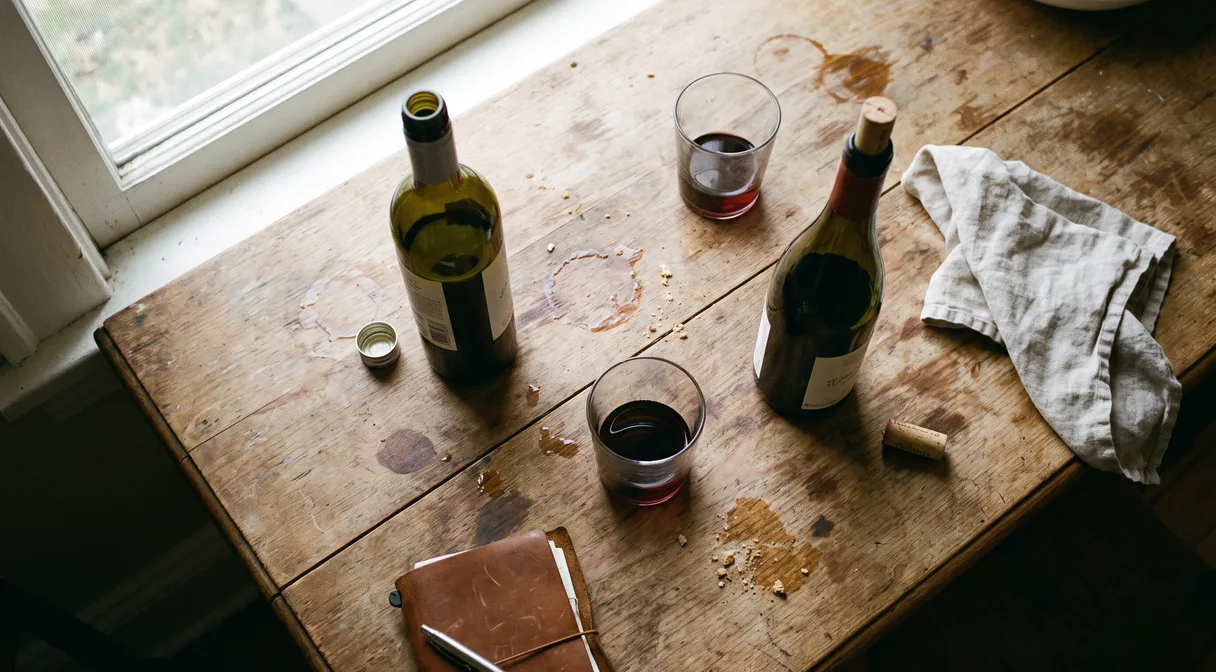
Wine carries more folklore per square inch than almost anything else on a grocery list. Some of it is true. Most of it is a rule somebody invented decades ago that never got updated. We hear these five myths across the counter every week, so let's kill them properly, with the actual research behind each one.
None of this is about being a wine snob. It's the opposite. Most of these myths exist to make wine feel more complicated than it is, and a shop's whole job is making it less complicated.
Myth: screw caps mean cheap wine
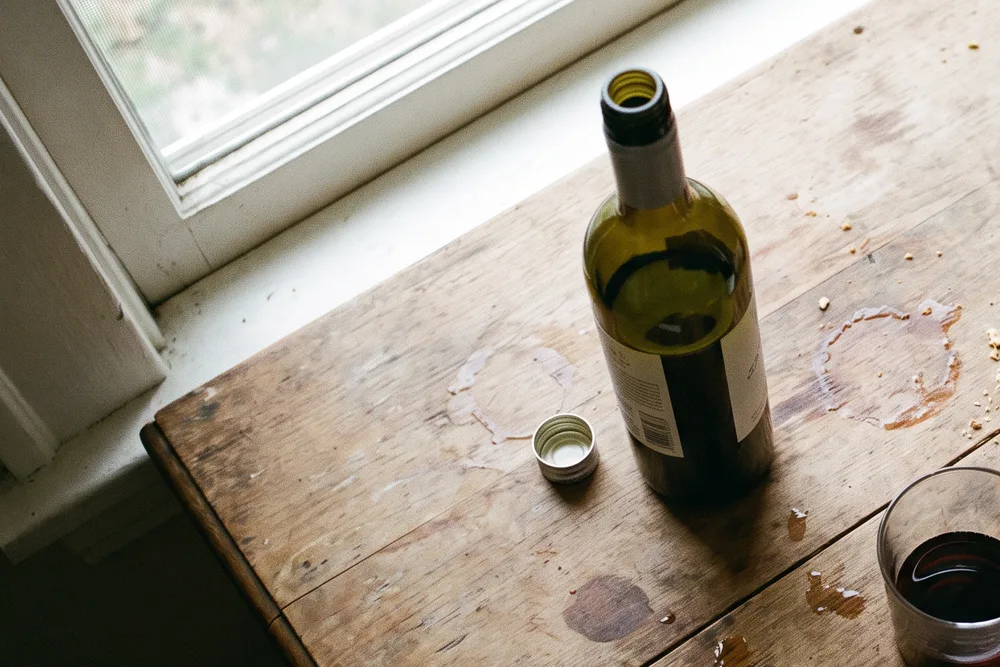
This one dies hard because it used to be true. Not anymore. New Zealand puts about 90 percent of its wine, including its most expensive bottlings, under screw cap. The seal does one job better than cork ever could: it lets in a precisely controlled, near-zero amount of oxygen, so the wine tastes the same on release as it does a year later. Cork is a natural product, and natural products vary. That variation is charming right up until it ruins a $200 bottle with cork taint.
Infamous Goose is our proof. Marlborough Sauvignon Blanc, screw cap, and it drinks as loud and citrusy as the label promises every single time you open one. That consistency is the whole point of the closure, not a compromise.
Myth: sulfites give you a headache
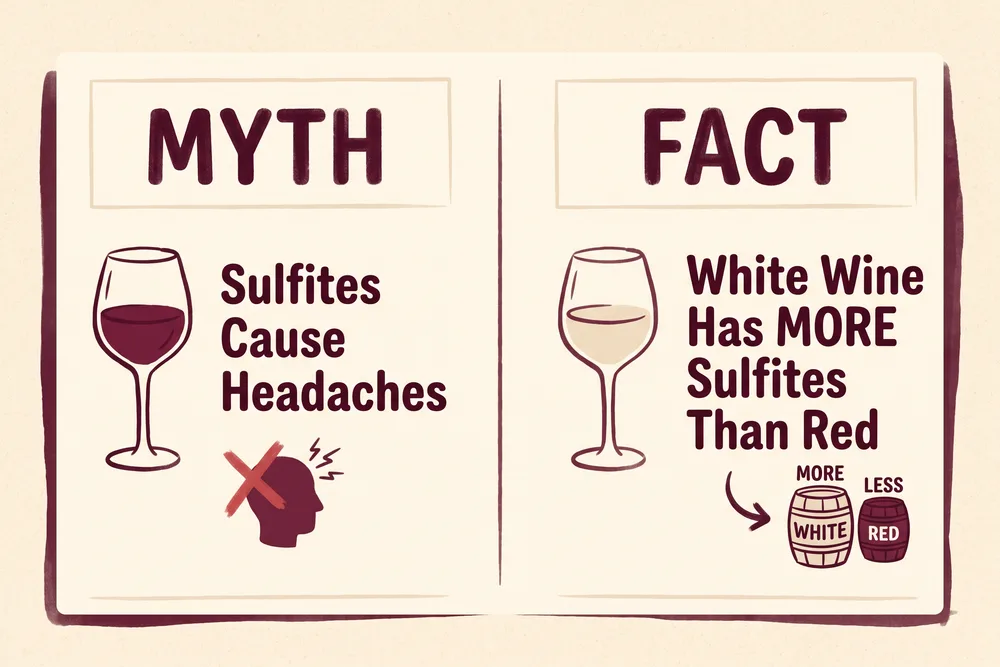
Sulfites take the blame for basically every wine headache in America, and the evidence says they're innocent. They're added to protect wine from oxidation and bacteria, and they've been mandatory on U.S. labels since 1987. Here's the detail that breaks the myth completely: dry white wine typically carries more sulfites than dry red, sometimes close to double. If sulfites caused the headache, white wine should be the bigger offender. It isn't.
The more likely suspects are histamines and tannins, both far more concentrated in red wine than white. Histamines dilate blood vessels. Tannins can trigger a serotonin release that some people feel as a headache. If you only get hit after red wine, that's your clue, not the little sulfite warning on the back label.
Myth: expensive wine always tastes better
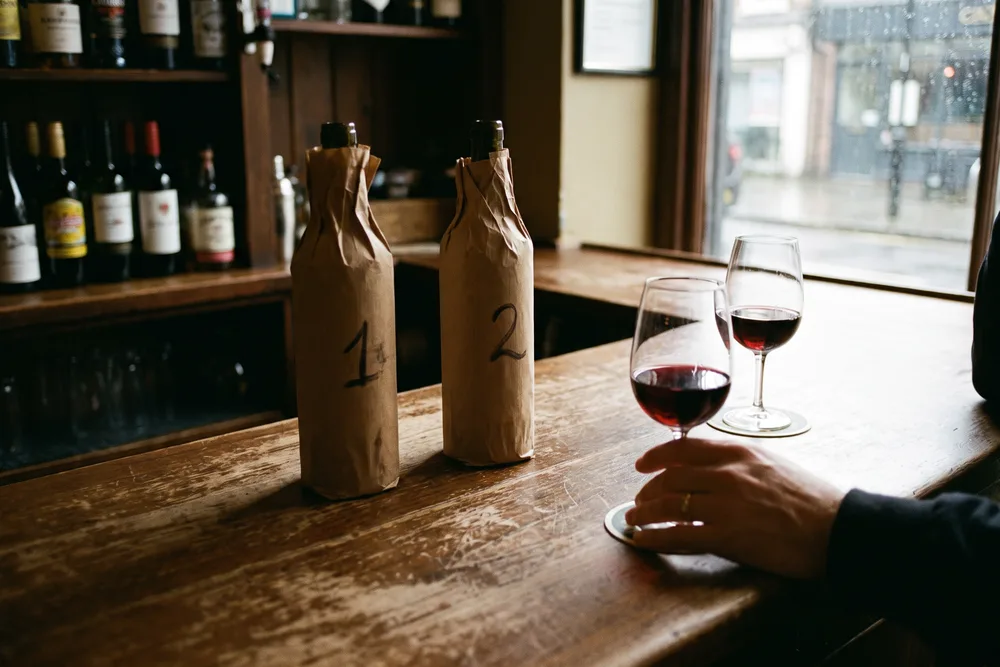
A 2008 study in the Journal of Wine Economics pooled more than 6,000 blind tastings and found the correlation between price and enjoyment was small and slightly negative for everyday drinkers. People with formal wine training showed a positive link. Everyone else, on average, enjoyed the pricier glass a little less, not more.
Price does change how wine tastes, just not through your palate. A widely cited neuroscience study gave people the same wine twice, once labeled ten dollars and once labeled ninety, and brain scans showed the “ninety-dollar” pour lighting up pleasure centers harder. The wine never changed. The number on the tag did the work.
Poggio le Volpi's Roma Rosso is the bottle we hand skeptics. Twenty-seven dollars, Montepulciano and Cesanese off volcanic soil outside Rome, and it drinks like something that costs twice as much. Blind it against something pricier sometime. We'll wait.
Myth: wine always needs to breathe

Decanting helps exactly one category: young, tannic reds that taste tight and closed right out of the bottle. Give them thirty minutes of air and the tannins soften, the fruit opens up, and the wine actually improves. Our Oak Farm Cabernet is built for this. Give it a real decant before dinner and watch it unclench.
Everything else on the shelf, whites, rosés, delicate Pinot Noir, most Beaujolais, doesn't need it and can actually lose its best qualities to too much air. If a wine already smells great the second you pull the cork, leave it alone. Breathing room is a tool for specific wines, not a ritual for all of them.
Myth: wine gets better the longer you keep it
Roughly 90 percent of the wine made in the world is built to be opened within a year or two of release, not cellared for a decade. Modern winemaking, cleaner fruit, better temperature control, more careful oxygen management, means most wine hits its peak early and stays there a while before declining, rather than needing years to unfold.
We stock plenty of wine that ages beautifully, and we'll tell you exactly which bottles reward patience. But holding a twenty-dollar Tuesday wine in the closet for five years isn't an investment. It's just a wine getting older, not better.
Come argue with us about any of this at the bar. We'll happily lose the argument if you bring better evidence, and we'll definitely pour you something while we hash it out.