The journalBehind the Bar
The smallest wine label in Loudoun County
Written by Ashburn Wine Shop | Bar & BistroAugust 3, 2026 · 3 minute read
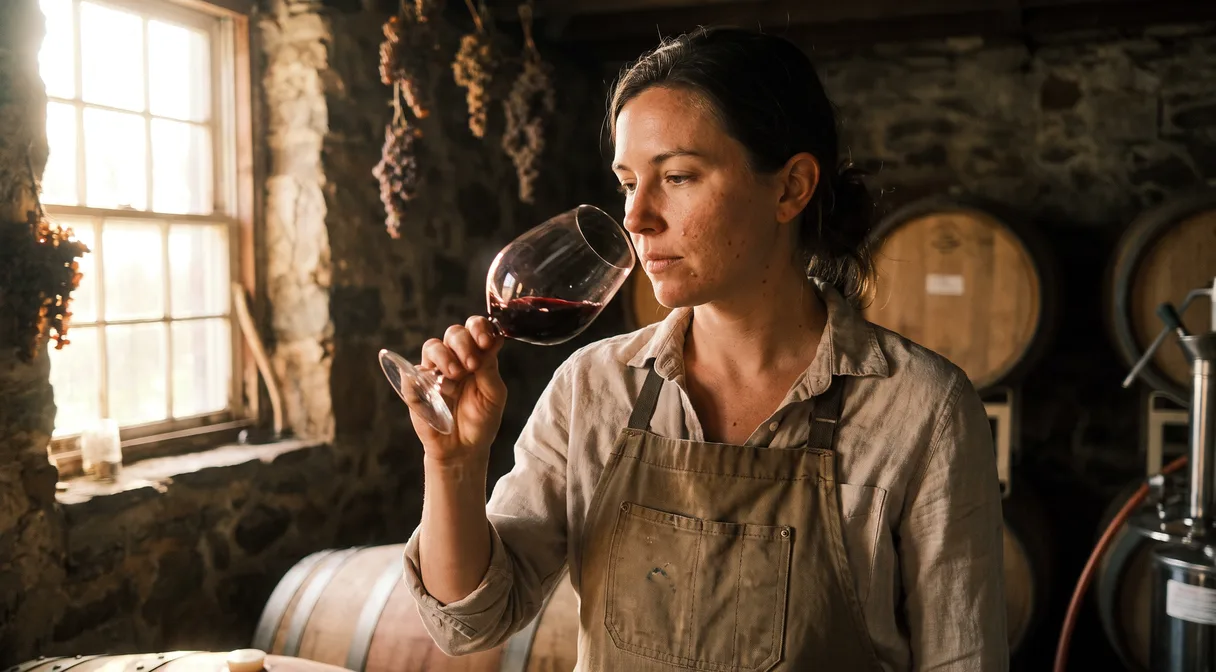
Most of what's on our shelves travels a long way to get here. Priorat, Marlborough, the Douro. Then there's Jackie Moriarty, who drives it in herself.
Holmes Wine is a three-bottle label out of Loudoun County, made a few miles from Ashburn Shopping Plaza and sold almost nowhere but our shop. No tasting room, no website with a shopping cart, no distributor truck rolling up every quarter. Just Jackie, her wine, and whatever's left in the case when she stops by.
From Bluemont to the Southern Hemisphere and back
Moriarty's winemaking résumé starts a few exits down Route 7, at Bluemont Vineyard. From there she went the route a lot of ambitious young winemakers take: harvest season in the Southern Hemisphere at the start of the year, harvest season back in the States at the end of it, chasing ripe grapes around the globe twice annually. It's grueling work and it's also the fastest classroom in wine. It's also where she met her husband, Gonçalo, working a crush together in New Zealand.
Gonçalo makes his own wine back home in Portugal's Douro Valley. Moriarty makes hers here, in Loudoun. For now, at least, this is where they've landed, and Ashburn is lucky for it.
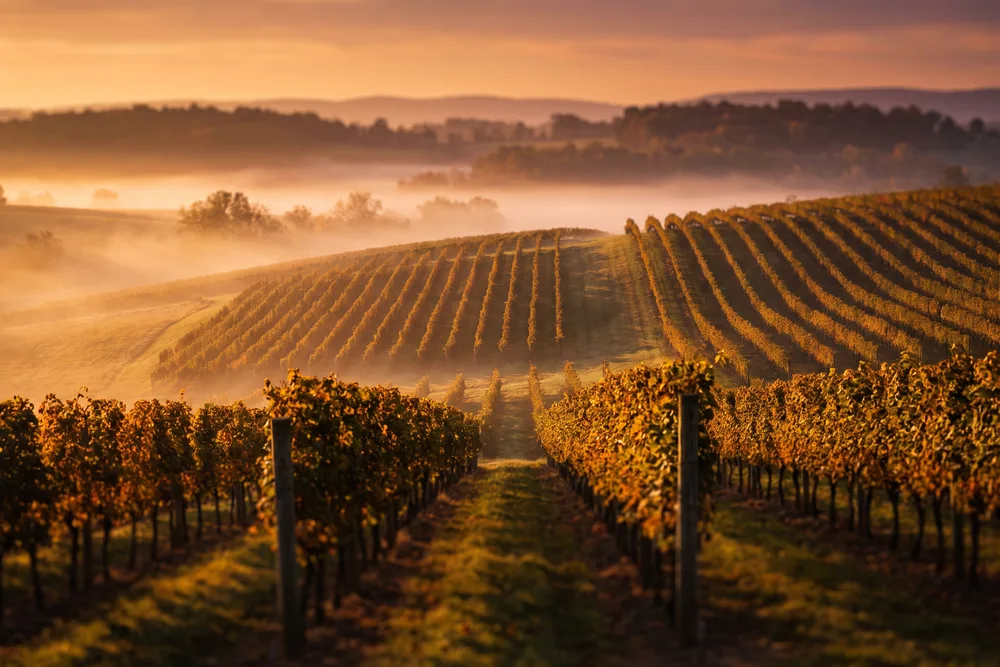
Three wines, made a few miles from here
The entire Holmes lineup is three wines: a Cabernet Franc and two red blends, all built from Loudoun County fruit sourced from Williams Gap and October One vineyards. Moriarty makes them at Lost Creek, and she keeps a light hand on all three. Native yeast does the fermenting. Oak stays in the background instead of steering the wine. The goal isn't to make Loudoun taste like Napa. It's to let Loudoun taste like Loudoun.
She isn't chasing a tasting room, and by her own account she and Gonçalo could end up back in Portugal eventually. That makes our shelf one of the only places most people will ever find these bottles. We carry two of the three right now, and both make an honest case for what this county can do with Cabernet Franc and Merlot.
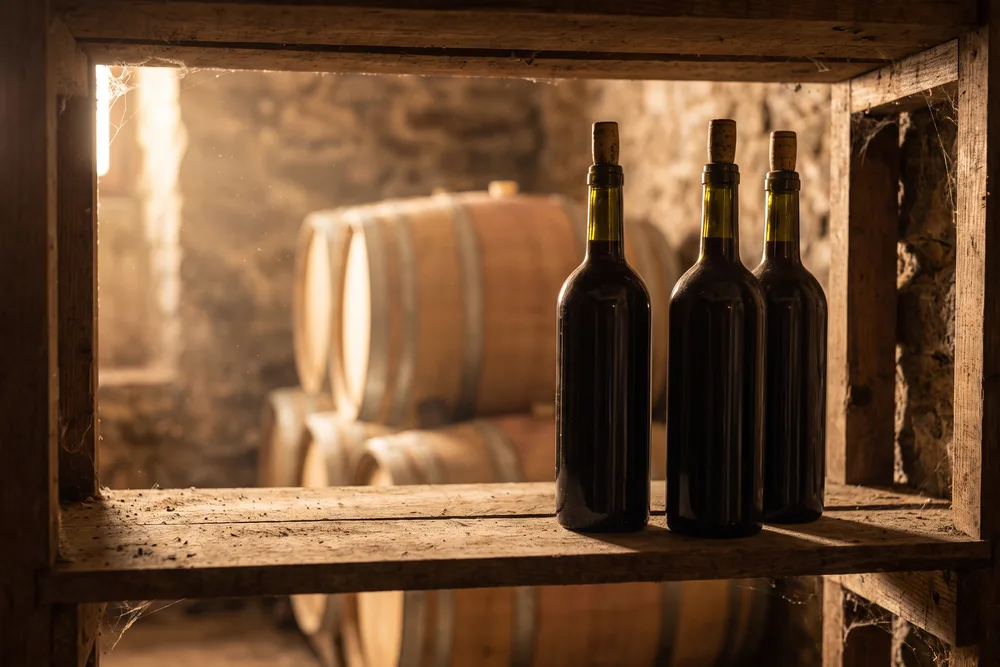
Mimi: the Cabernet Franc
Mimi is the 2020, made from single-source Williams Gap fruit. It's light on its feet: cracked pepper, fresh red fruit, gentle tannin, a cool and easy finish that takes well to a slight chill. If you've written off Cabernet Franc as a grape that only makes sense in the Loire, this is the bottle that argues otherwise.

The red blend
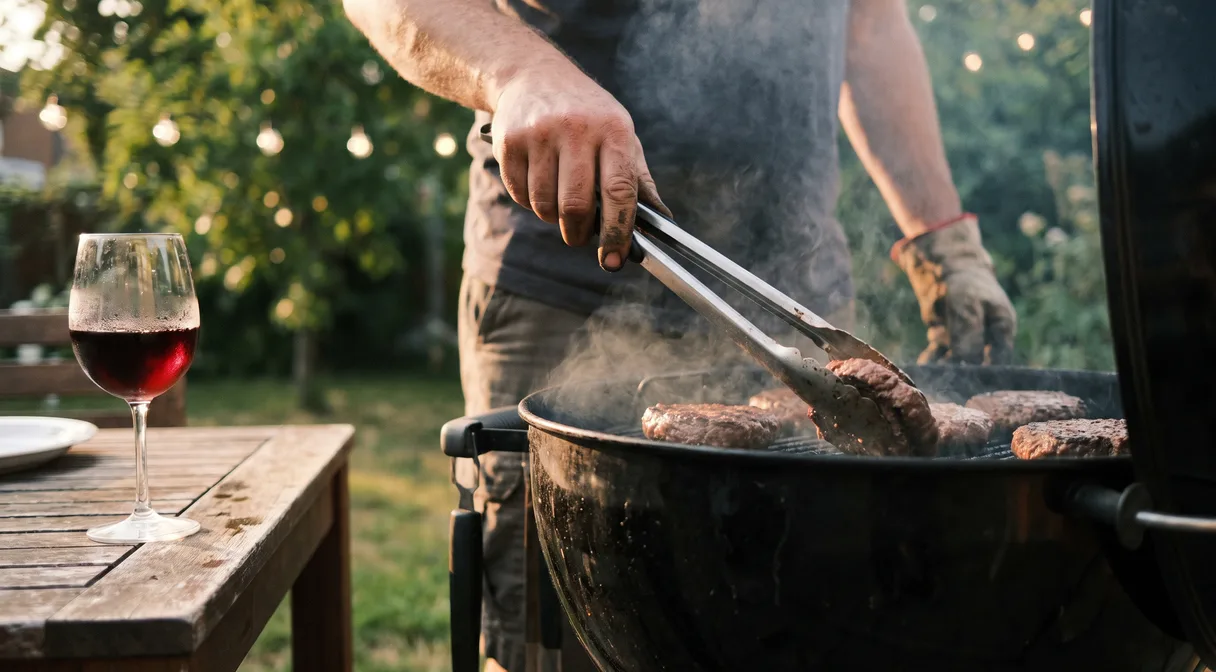
The 2021 leans on Merlot and Cabernet Franc, fermented with the same light hand as the Mimi. Dark cherry up front, earthy undertones underneath, soft tannin and barely-there oak that lets the fruit do the talking. It's built for a Tuesday, not a cellar. Pour it with roast pork, mushroom pizza, or whatever came off the grill this weekend.
Small labels like this one are why we like this job. Nobody's marketing budget got Holmes Wine onto our shelves. Jackie did, one case at a time. Come taste it for yourself at the bar, or catch us pouring it at an upcoming tasting.