The journalBehind the Bar
The Virginia distributor behind our Italian wine shelf
Written by Ashburn Wine Shop | Bar & BistroOctober 19, 2026 · 8 minute read
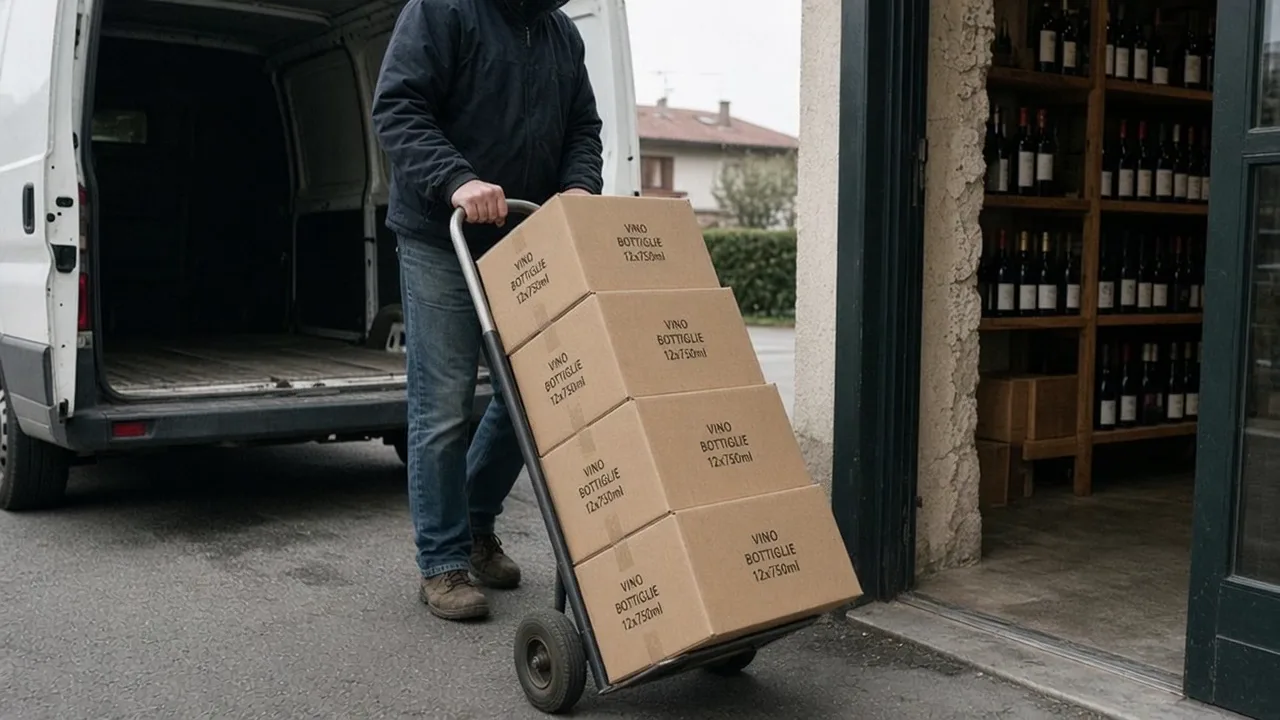
Every bottle of wine on our shelves passed through a Virginia warehouse before it reached Ashburn Shopping Plaza. That isn't a quirk of how we shop. It's the law.
Virginia runs a three-tier system, the post-Prohibition setup that keeps wineries, wholesalers and retailers in separate lanes. Under Virginia Code section 4.1-326, a licensed retailer like us can only buy wine for resale from a licensed wholesaler. Another section, 4.1-310.1, says that wine has to be unloaded at the wholesaler's licensed premises, logged into its inventory and kept there at least four hours before it rides out to a store. So when people ask how a Frascati from the hills outside Rome ended up on a shelf in Ashburn Shopping Plaza, the honest answer starts with a distributor.
For a good chunk of our Italian shelf, that distributor is Impero Wine Distributors, based in Springfield, down in Fairfax County. This is the story of what they bring us, why we keep saying yes, and the five bottles that best show it off.
Who Impero Wine Distributors actually is
Impero Wine Distributors VA is an Italian wine specialist covering Virginia and Washington, D.C., working out of Springfield. Their own pitch is short: Italians sharing what they love about Italian wine, from producers across every region of the country.
The Virginia operation is part of a wider Impero network that started in Florida. The parent company in Coconut Creek describes affiliate and independent distributors in Florida, the Carolinas and Virginia, each holding its own territory. Ours happens to be the one that covers the D.C. area, which is why their cases land in Ashburn instead of somebody's warehouse in Miami.
Two details tell you more than the brochure does. First, Impero owns a winery of its own, Tenuta Pakravan-Papi on the Tuscan coast, so they aren't just moving boxes. They have dirt in the game. Second, the Virginia branch is a certified organic handler with CCOF, the California organic certifier, which means they're set up to move certified organic wine with its paperwork intact. Small things, but they're the kind of things a careful importer bothers with.
Why a specialist distributor matters to a small wine shop
A specialist distributor gives a small shop access to bottles the big catalogs never carry. The largest wholesalers in the country move thousands of brands and lead with the ones that sell by the pallet. That's useful for some things. It's less useful when you want a Frascati from a family winery or an Arneis from a producer most customers have never heard of.
Italy makes that problem worse, in a fun way. The country grows hundreds of native grape varieties, and plenty of its best wines come from producers too small to have a national sales team. A distributor that only does Italy can afford to know the difference between Malvasia Puntinata and Malvasia di Candia, and to care about it. That's the conversation we want when we're filling a shelf.
It also changes how buying feels on our side of the counter. A good rep brings open bottles, tells us where the vineyard sits and what the soil is, and then lets the wine argue for itself. Our job is to taste, ask annoying questions, and only take what we'd pour for a friend. Not everything makes the cut. The five below did.
Poggio le Volpi Frascati Superiore People
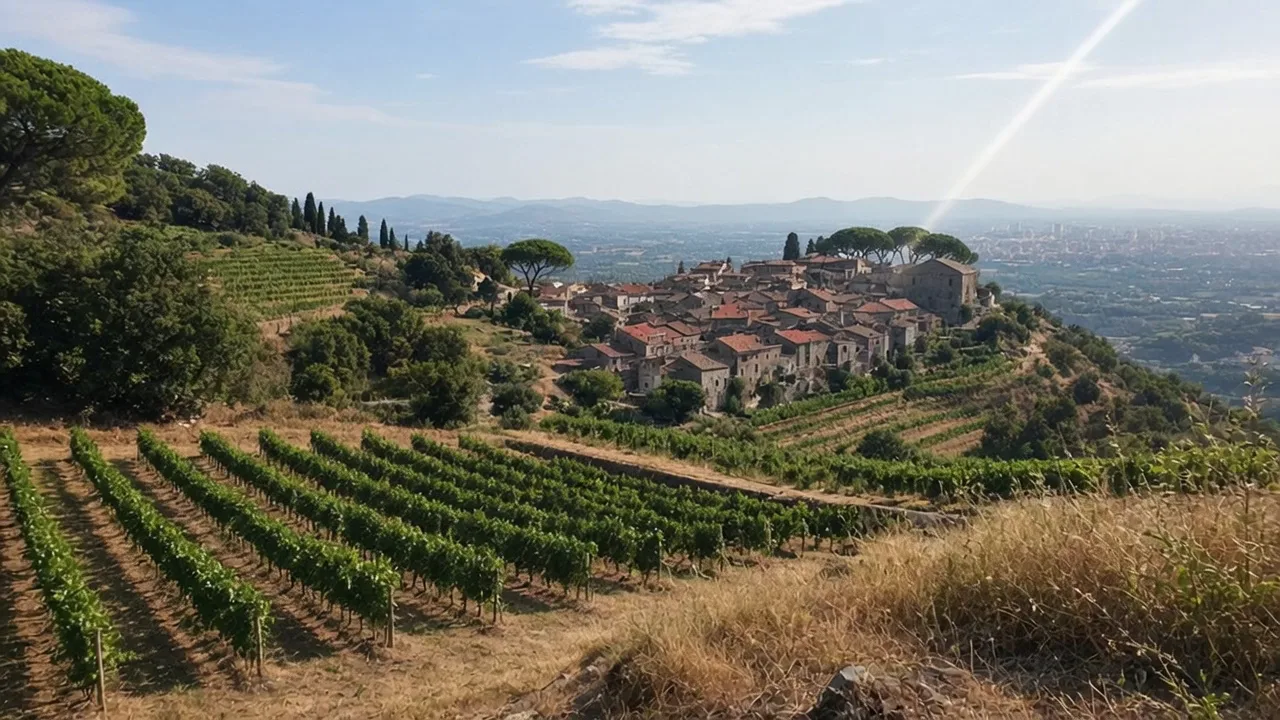
Frascati is one of the oldest wine names in Italy, and People is what it tastes like when someone takes it seriously. Poggio le Volpi was founded in 1996 in Monte Porzio Catone, in the volcanic Alban Hills southeast of Rome, where Frascati has been made since Roman times. The estate works with the grapes that have always grown there: Malvasia di Candia, Malvasia del Lazio, Malvasia Puntinata and Trebbiano, on tuff and lava-rock soils left by the old Latium volcano.
Mass-market Frascati gave the whole category a reputation for watery café white. This bottle is the correction. Pale straw in the glass, then pear, green apple, elderflower and fresh grass on the nose. The palate is fresh and savory with a little more body than you'd expect, and the finish runs long and fruity.
Yes, People is the actual name of the wine. We checked, because we thought it was a typo too. It isn't. At twenty-five dollars it's a better restaurant white than its price suggests, and a very easy porch wine if October gives us one more warm afternoon.
Poggio le Volpi Roma Rosso 2022
Rome has its own wine appellation, and it's younger than most of our customers' cars. The Roma DOC was approved in 2011, and its rules are specific: a Roma Rosso has to be at least half Montepulciano, with at least another 35 percent from Cesanese, Sangiovese, the Cabernets or Syrah.
Poggio le Volpi's version blends Montepulciano, Cesanese and Syrah from hilly sites on volcanic, pozzolanic and sandy soils, open to the sea winds off the coast. That's where the mineral grip comes from. In the glass it's deep ruby, with morello cherry, violets, blackberry and a balsamic note that keeps the ripeness honest. Smooth, pleasantly tannic, long finish.
This is the red we hand to anyone planning a lasagna night. Red sauce, a real oven pizza, a wedge of hard salty cheese. It has more swagger than twenty-seven dollars usually buys, and it's a great conversation starter, because almost nobody knows Rome makes wine under its own name.
Broccardo Langhet Arneis 2023
Arneis is the white grape that almost disappeared from Piedmont, and this bottle is a good argument for why it shouldn't have. The name means little rascal in Piedmontese dialect, a nod to how fussy it is in the vineyard: low yields, prone to powdery mildew, quick to oxidize. As Barolo producers went all in on Nebbiolo in the twentieth century, plantings shrank so far that by the 1970s only a couple of wineries were still making it. A revival in the 1980s brought it back, and today it's one of the region's signature whites.
Broccardo is a family winery in Piedmont, and Langhet is what they call their Langhe DOC Arneis. Again, not a typo. The grapes are pressed softly, fermented cold at 10 degrees Celsius in stainless steel, then rested at least three months in bottle before release. No oak, nothing in the way.
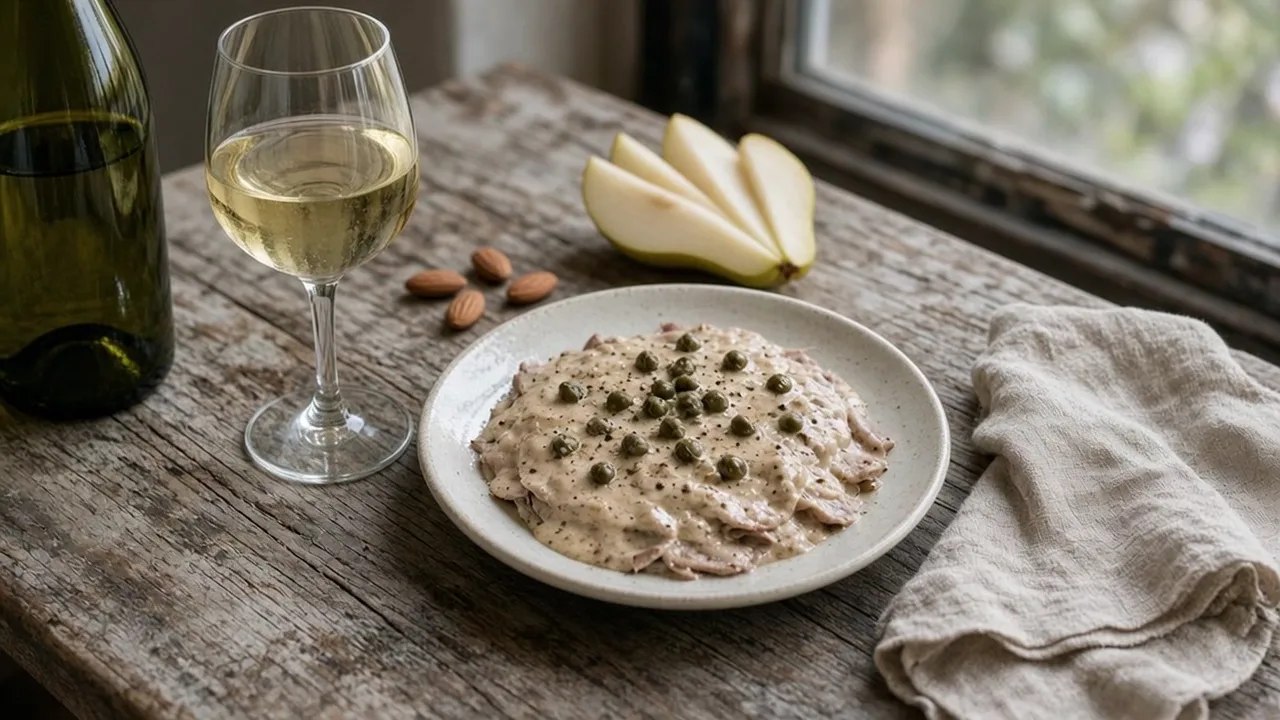
Expect pale straw with a glint of old gold, then peach blossom, acacia, fresh pear, chamomile and a light almond note. The mid-palate is creamy, the finish soft and floral. Pour it with antipasti, raw or marinated fish, roast chicken with lemon, or vitello tonnato if you're feeling ambitious.
Terre di Chieti Bordinese Rosato
The cheapest bottle in this lineup is the one built for a crowd. Bordinese is the everyday line from Cantina Madonna dei Miracoli, a growers' cooperative in Casalbordino, on the Adriatic side of Chieti province in Abruzzo. The co-op works hillside vineyards that slope down toward the sea and puts out around six million bottles a year.
The rosato is Montepulciano and Sangiovese, bottled as Terre di Chieti IGP and made to drink young and cold. Pale onion-skin pink, an intensely fruity nose, a fresh and harmonious palate with medium body. No pretension at all. The producer suggests serving it at eight to ten degrees Celsius, which in American means straight from a cold fridge.
Put it next to charcuterie, pizza, fried fish or a tomato pasta and stop overthinking rosé. At $16.99 it's the bottle we suggest when someone wants a case of something easy for a crowd.
Cancellaia, the wine from Impero's own Tuscan estate
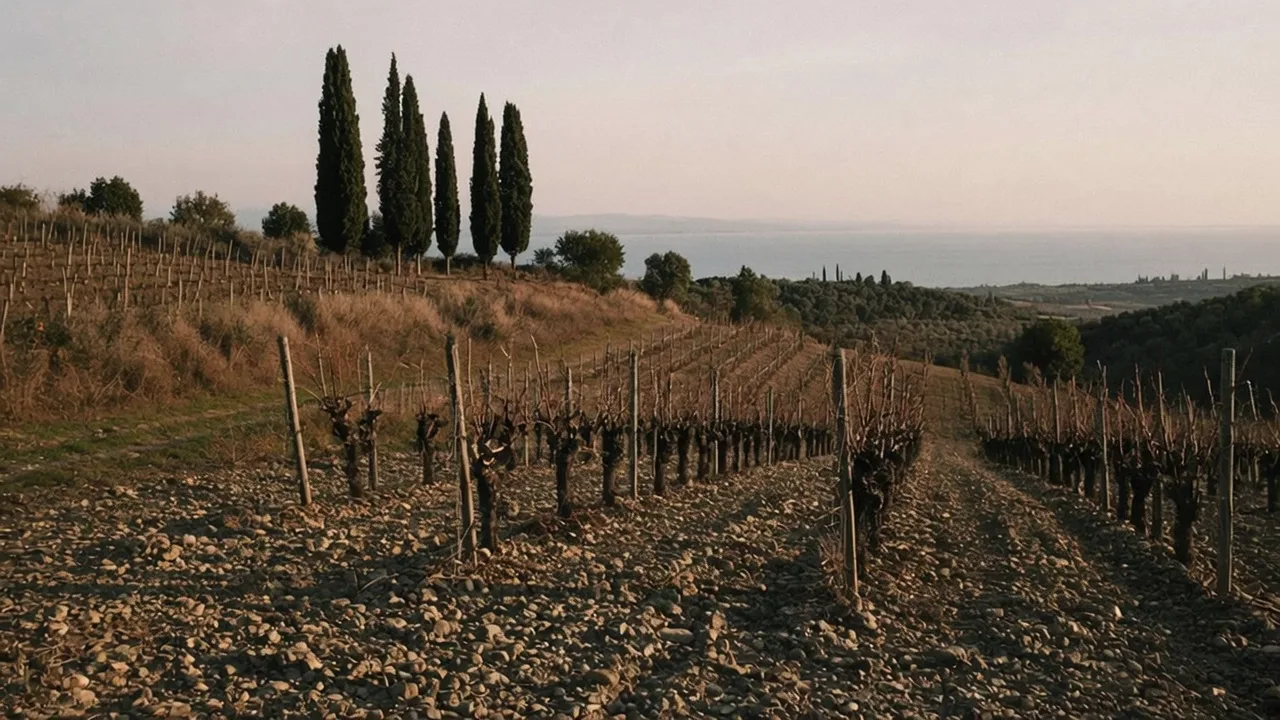
Cancellaia is the clearest proof that Impero knows wine from the vineyard up, because it comes from the winery they own. Tenuta Pakravan-Papi farms the hills above Riparbella in the lower Cecina Valley, a stretch of the Tuscan coast near Pisa that has built a worldwide name for Cabernet.
Cancellaia is the estate flagship: Cabernet Sauvignon with Cabernet Franc, roughly sixty to forty, from vines more than twenty years old planted at low density around 200 meters up. The soils are lacustrine clay mixed with pebbly gravel from weathered volcanic rock. Grapes are picked by hand, fermented in steel, then aged at least twelve months in barrique and another twenty-four in bottle before release. Past vintages have taken Decanter gold and a Grand Gold in Brussels.
The 2020 shows blackberry, ripe plum and sour cherry with green pepper, mint and a balsamic lift. It's deep but crunchy, with lively acidity, balanced tannin and a long, spicy finish. Think Bordeaux freshness with Tuscan sun in it. At fifty dollars it belongs next to a grilled steak, a game stew or a plate of pappardelle with meat ragù, and it has the structure to sit in your cellar a few more years if you can resist.
What a good distributor relationship looks like from our side
A good distributor relationship is mostly about trust in the details. We need the bottle we tasted to be the bottle that shows up. We need vintages to match what's on the invoice. We need someone to tell us when a wine is running low before it vanishes mid-season. None of it is glamorous, and all of it decides whether a wine can live on our shelf.
It also shapes what you find when you walk in. We could fill the Italian section with the three names every grocery store carries. Instead we get to stock a Roman red, a Frascati that tastes like Frascati, an Arneis from Piedmont and a Tuscan coastal Cabernet, all within a short drive of a warehouse in Springfield. That's the payoff of working with people who only do one country and know it well.
And it keeps our staff curious. Every new Italian bottle that comes through the door is a small geography lesson, and we'd rather pass that on than pretend every Pinot Grigio is the same.
How to taste the Italian shelf with us
The easiest way to taste Italian wine with us is to come to a tasting. Our Thanksgiving Tasting runs Saturday, November 21, from 2 to 4 PM, and it's a good afternoon to figure out what goes on your holiday table. A light Frascati or a bright rosato is an easy answer for the cook who wants something other than the usual turkey Chardonnay.
We also pour every Wednesday at Sip & Solve trivia night, and every other Saturday at The Biweekly Pour, our taste and tapas night. Ask whoever's behind the bar which Italian bottles are open that night. If they hesitate, it's only because they're deciding which one to talk about first.