The journalBehind the Bar
Loudoun County's oldest winery is twenty minutes from our door
Written by Ashburn Wine Shop | Bar & BistroSeptember 7, 2026 · 5 minute read
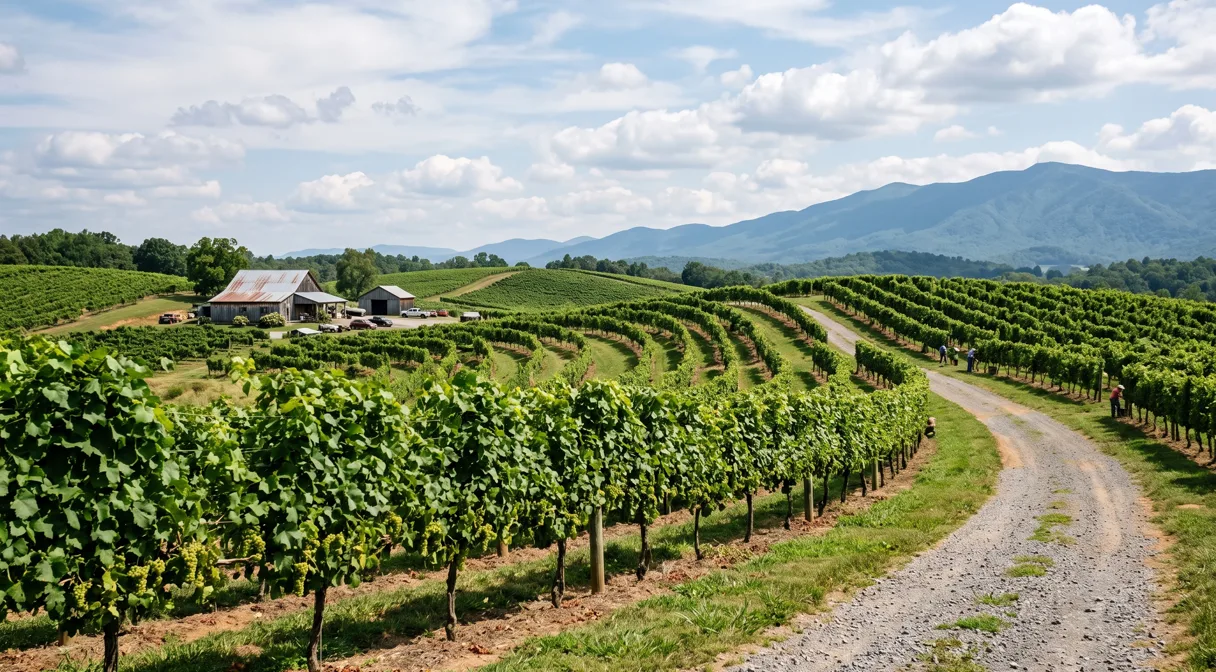
Loudoun County has a lot of wineries now. It didn't always. Willowcroft Farm Vineyards planted its first vines on Catoctin Ridge above Leesburg in 1984, before Virginia wine was a tourism category, before anyone was printing county wine trail maps, back when the question wasn't which winery to visit but whether Virginia could grow good wine grapes at all.
Forty-some years later Willowcroft is still there, still family-run, and still twenty minutes from Ashburn Shopping Plaza. We carry three of their wines right now, and each one makes a different case for why the county's original winery is still worth a drive, or a trip to our shelf if the drive can wait.
Virginia has well over three hundred wineries now, most of them younger than the vines Willowcroft planted in the Reagan administration. That timeline matters for a wine region this young. A winery that's been reading one piece of ridge for forty years knows things about that dirt a five-year-old vineyard simply hasn't had time to learn yet, and it shows up in the glass as a kind of quiet confidence instead of a pitch.
A barn, a ridge, and four decades of practice
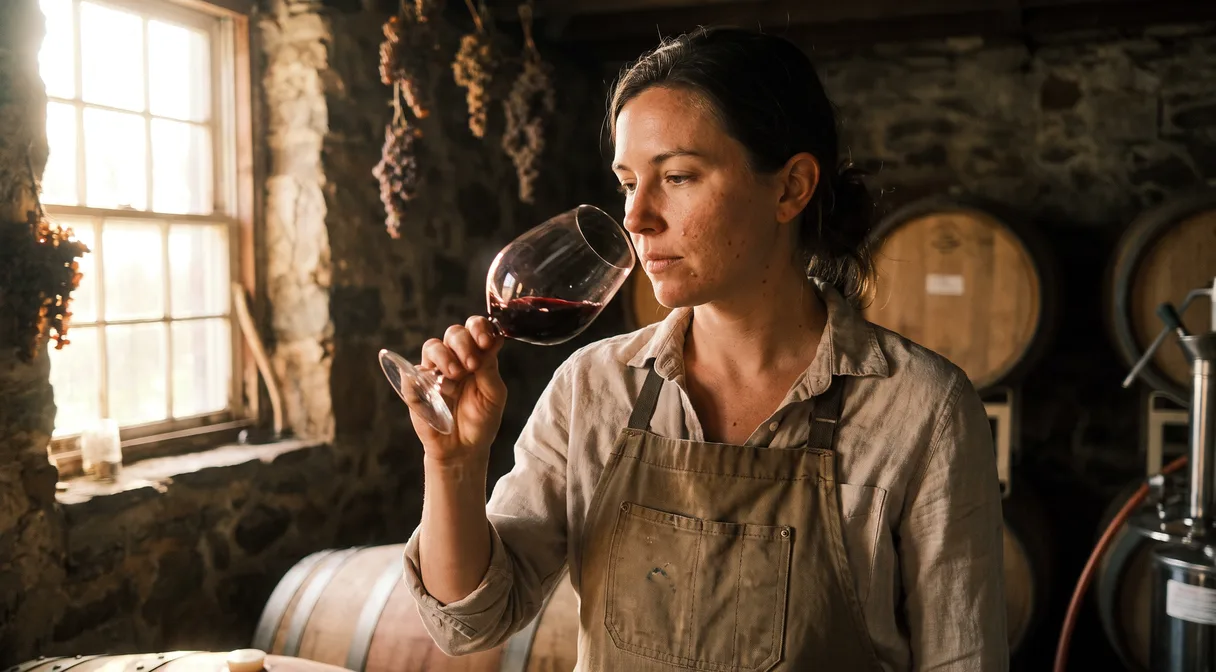
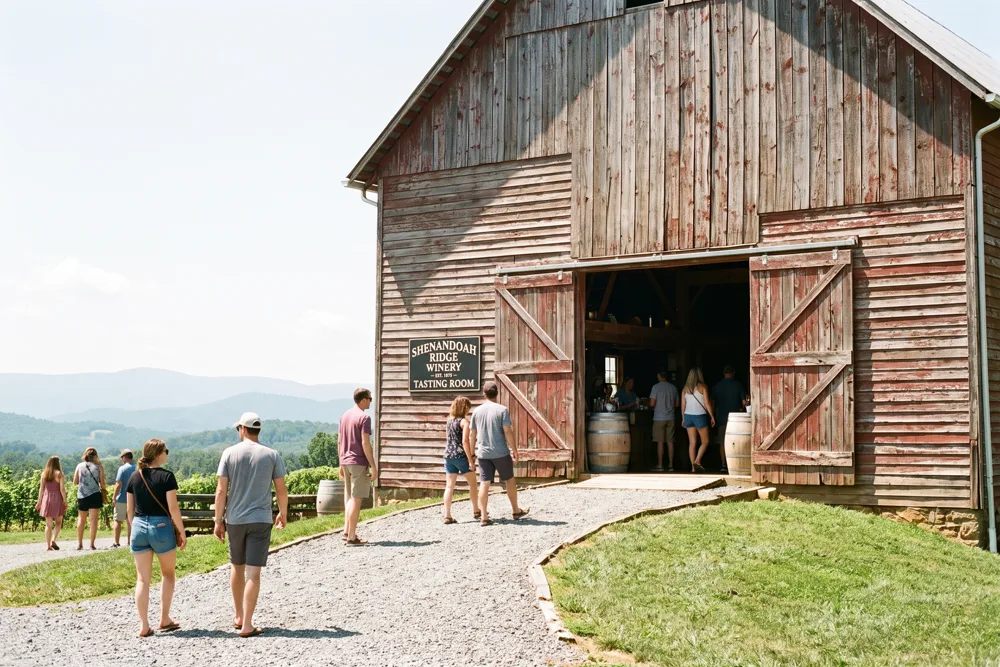
The estate sits on Catoctin Ridge, high enough that the Blue Ridge shows up in the view from the tasting room, which operates out of a converted 1875 barn. That elevation and the ridge's slate and schist soils are a big part of why Willowcroft's wines read as lean and mineral rather than soft and jammy, a house style the estate has had four decades to refine.
Being first in a county that now has dozens of wineries carries less novelty than it used to, but it buys something more durable: a longer runway to figure out what actually grows well on that ridge, and the national wine-competition medals to show for it.
Virginia's wine industry didn't really exist in any organized way in 1984. There was no well-worn Loudoun wine trail, no steady stream of weekend visitors driving out from Northern Virginia with a tasting itinerary mapped out, no guarantee any of this would work commercially at all. Planting a vineyard on a ridge in Leesburg back then was a bet, not a lifestyle brand.
The Riesling that doesn't apologize for a little sweetness
Willowcroft's Riesling is the estate's best-known bottle and the easiest entry point. Off-dry in the house style, with granny smith apple, citrus and honeyed notes, and bright acidity that keeps it food-friendly instead of syrupy. It's the local staple you grab for a porch pour with an actual view of the ridge it came from, not a bottle you save for a special occasion.
Riesling is a strange choice for a region figuring out its identity, since most of Virginia's reputation case has been built on Bordeaux varieties and Viognier. Willowcroft kept making it anyway, long enough that the Riesling program has picked up national wine-competition medals across multiple decades, not just a good vintage here or there. That consistency is the real story: not one great year, but forty of them adding up.
An Albariño from Loudoun County, and it actually works
Albarino comes from Rias Baixas, on Spain's rainy Atlantic coast, which is not a climate comparison anyone would make for Northern Virginia on paper. Willowcroft planted it anyway, betting that a grape built to handle humidity and variable weather might do something interesting on a ridge that deals with plenty of both.
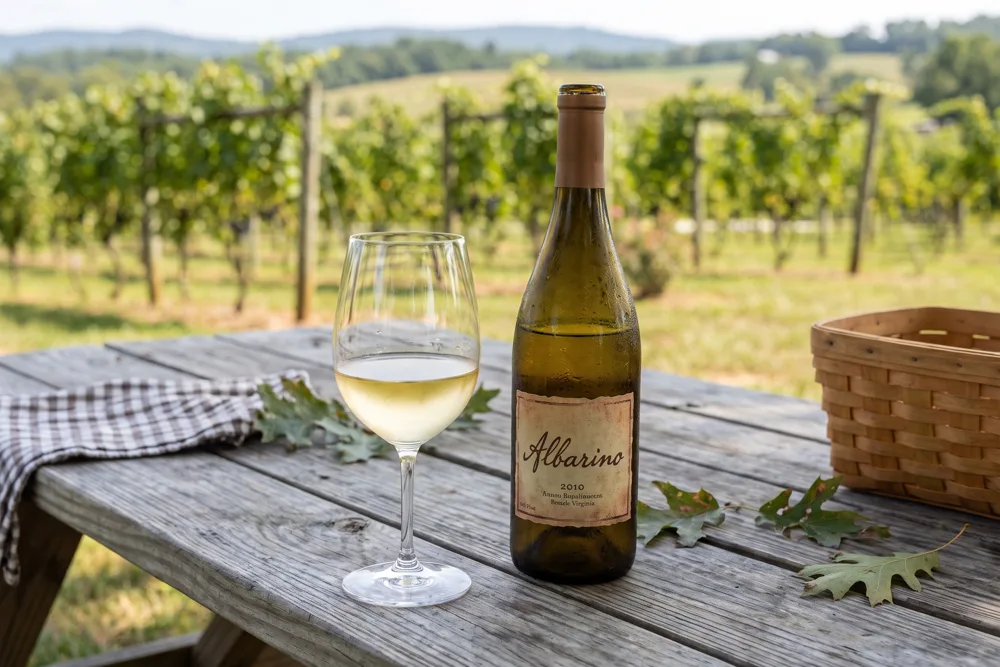
This is the one that surprises people. Willowcroft planted a half acre of Albariño, a Spanish seafood grape, on Catoctin Ridge back in 2008, and the Reserve bottling is the serious version: fully dry, with about nine months in oak for extra weight and texture. Virginia Albariño is still rare. Local Albariño with real barrel age on it is rarer still.
White pepper and spice on the nose, then pineapple and stone fruit, full-bodied for the variety, with a mineral streak running straight through the finish. The winery's own call is roast chicken and vegetables, and that's not a bad place to start.
Rosé of Sharon: a medal-winning case against Virginia pink
Rosé of Sharon is the estate's dry house rosé: a blend of Merlot, Cabernet Franc, Cabernet Sauvignon and a little Chambourcin, all Virginia fruit, and the 2023 took bronze at the 2024 Atlantic Seaboard competition. Pale, dry and built for a porch rather than a cellar, it's the direct answer to anyone still convinced Virginia can't do a serious dry rosé.
Made twenty minutes from our door, by the county's oldest label, and still priced like a normal Tuesday bottle rather than a trophy. That combination doesn't come around often.
Virginia rose has a reputation problem it mostly doesn't deserve anymore, built on a decade of overly sweet, pink-tinted afterthoughts that wineries bottled because tourists expected something pink on the menu. Rose of Sharon is the rebuttal: dry, structured enough to sit next to actual food, and judged well enough by people whose job is judging wine, not just tourists looking for a porch pour.
Still family-run, which is rarer than it sounds
A lot of the wineries that opened in Loudoun over the last decade came in backed by outside investment, built to scale fast with a tasting room designed for event bookings as much as the wine itself. Willowcroft didn't take that path. It's stayed a working family vineyard through four decades of a Virginia wine industry that grew up dramatically around it.
That matters for a shop like ours the same way it mattered with Holmes Wine, the three-bottle Loudoun label we wrote about last month. Small, independent, local producers don't get onto our shelf through a distributor's sales deck. They get there because someone here tasted the wine, liked it, and made a call. Willowcroft earned its spot exactly that way, just at a bigger scale than Holmes, which makes the county a little less of a one-story town than it might look from the outside.
Why we carry a neighbor instead of just importing everything
Twenty years of importer relationships get us allocations a newer shop can't touch, and most of our shelf still comes from Priorat, Marlborough, the Douro and a hundred other places that aren't walking distance. But a Loudoun shop that never stocks a Loudoun winery is missing something, and Willowcroft earned its spot here the same way every bottle does: we tasted it, and it held up.
Come taste all three at the bar, grab a bottle to take home, or make the actual twenty-minute drive up the ridge and see where it comes from yourself. We'll be pouring Willowcroft at an upcoming tasting either way.